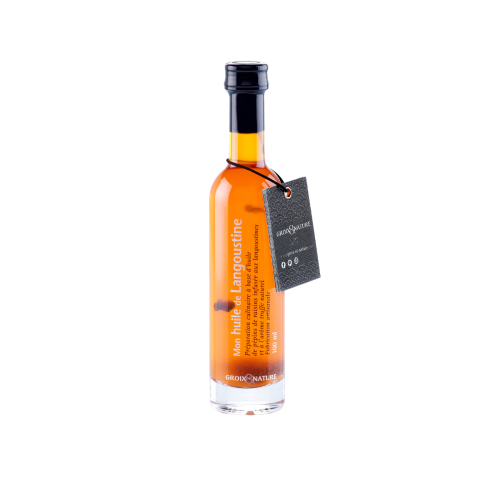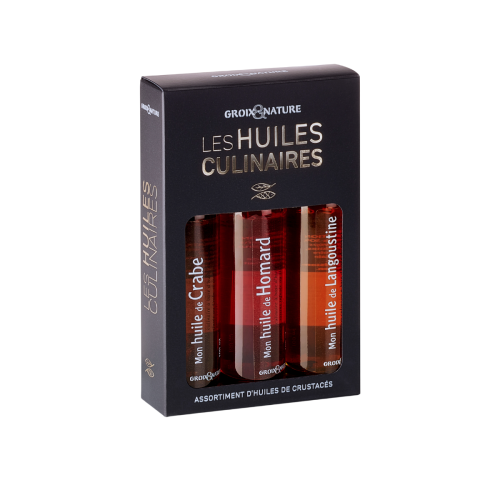




Truffle Langoustine Oil: Uses and Recipes
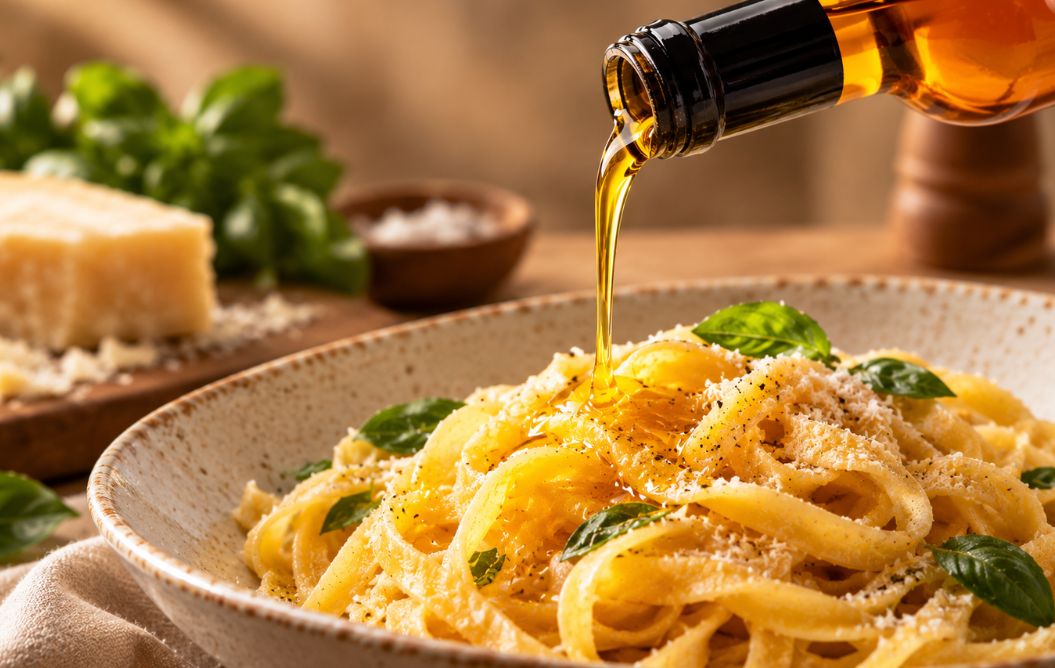
Truffle Langoustine Oil adds a delicate, aromatic sea-inspired note to everyday recipes with just a few drops. It can be used both as a finishing touch and to season certain dishes.
Drizzled over risotto, fresh pasta, pan-seared seafood, or simply spread on a slice of toasted bread, it enhances a dish without completely altering its balance. Here’s how to use it properly, along with a few ideas for pairing it with your favorite recipes.
Langoustine Oil When Plating
Truffle langoustine oil is easy to use in cooking, especially when plating. A few drops are enough to add a delicate, aromatic sea-inspired note to a dish without having to change the recipe entirely.
It can be used with both hot dishes and cold preparations. Start by adding a small amount, taste, and then adjust according to your preference.
On Grilled Fish
Once the fish is cooked, drizzle with a little truffle langoustine oil just before serving. This helps preserve the oil’s full aromatic character.
It pairs particularly well with simple cooking methods, such as grilled, pan-seared, or roasted fish.
With Seafood
The oil can also be used with pan-seared or fried seafood. A few drops added at the last moment are enough to bring an extra layer of flavor to the dish.
To maintain a balance between the different flavors, opt for a lightly seasoned preparation and let the oil provide the finishing touch.
In a Mixed Salad
Truffle langoustine oil can also replace part of the dressing in a mixed salad. Add it just before serving and gently toss.
It works particularly well in salads combining seafood with fresh ingredients.
.jpg)
What recipes can you make with truffle langoustine oil?
This oil offers an easy way to put a new twist on everyday recipes. Fresh pasta, risotto, seafood, or toasted bread: many dishes lend themselves perfectly to its use.
Aromatic Fresh Pasta
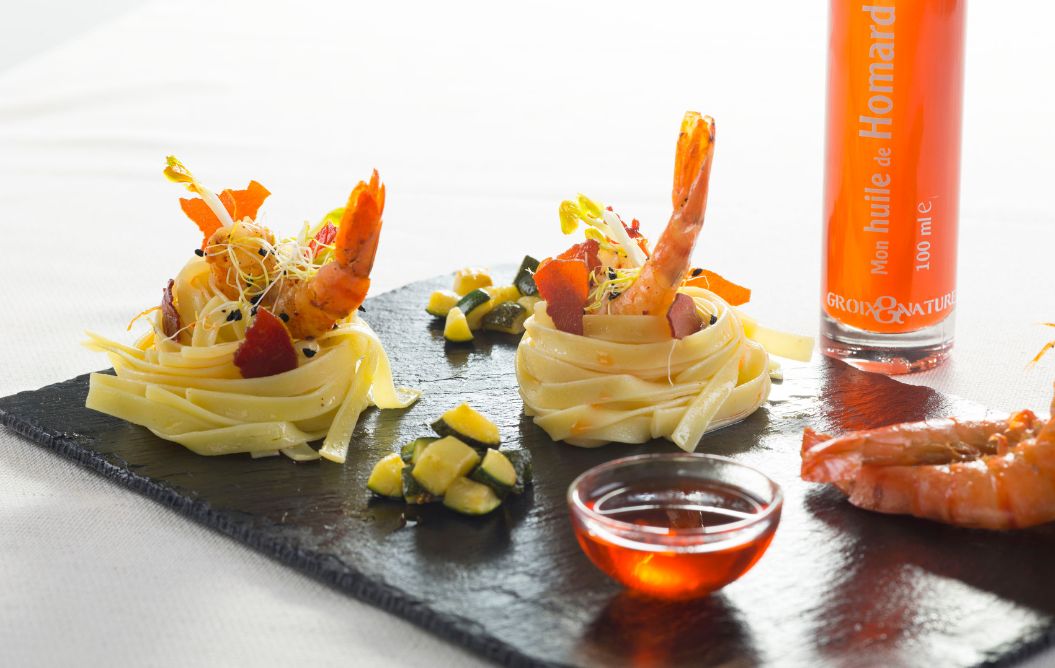
For a plate of fresh pasta, add a few drops of oil after cooking. A simple preparation allows you to fully appreciate its langoustine and truffle notes.
You can pair it with a few pieces of seafood or simply drizzle the oil over the pasta when plating.
Scallops with Celery and Langoustine Oil
For a more refined dish, truffle langoustine oil can be paired with simply seared scallops, served on a thin celeriac cream.
The mildness of the celeriac and the delicate flavor of the scallops provide a subtle base that allows the oil to shine. A few drops added when plating are enough to bring a marine and truffle-infused dimension to the dish.
White Fish Fillet with Crushed Potatoes
For a simple yet delicate recipe, langoustine and truffle oil pairs beautifully with a simply pan-fried or roasted white fish fillet.
Serve it with lightly seasoned crushed potatoes, then drizzle a few drops of the oil over the dish just before serving.
.jpg)
What if truffle langoustine oil made its way into dessert ?
Truffle langoustine oil can also find its place in a sweet creation, provided it is used sparingly. A few drops are enough to add an original note to a chocolate dessert or fresh fruit. The aim is to create a subtle contrast without overpowering the other flavors.
Chocolate and Langoustine Oil
Dark chocolate is particularly well suited to this pairing. Its depth and bitterness create an interesting contrast with the langoustine and truffle notes of the oil.
Fresh Fruit, Chocolate and a Few Drops of Oil
For a lighter pairing, the oil can be combined with fresh fruit, particularly strawberries, along with a touch of dark chocolate. A few drops added just before serving are enough to bring an unexpected dimension to the dessert.
This combination also preserves the freshness of the fruit while adding a more complex note.
Dark Chocolate Mousse with Buckwheat and Langoustine Oil
For a more indulgent version, imagine a dark chocolate mousse topped with a few crunchy pieces of toasted buckwheat. Just before serving, add a few drops of langoustine and truffle oil to complete the dessert.
The rich character of dark chocolate and the crunch of buckwheat create an interesting contrast with the oil’s marine and truffle notes.
.jpg)
An Oil That Brings a Creative Touch to Cooking
Versatile and delicate, truffle langoustine oil brings an original touch to fish, seafood, pasta, risotto, and even certain sweet creations. It can be used to enhance a dish or simply added as a finishing touch when plating. A few drops are all it takes to reveal its full character and let your creativity shine in the kitchen.
FAQ
How Much Truffle Langoustine Oil Should You Use ?
A few drops are generally enough to add langoustine and truffle notes to a dish. It is best to start with a small amount and then add more according to the desired intensity. When using it as a finishing touch, a few drops added when plating make it easy to control the amount.
How should this oil be stored ?
Before opening, the oil can be stored at room temperature. Once opened, it should be kept in the refrigerator and consumed within 3 months. It is also recommended to close the bottle tightly after each use.
Can truffle langoustine oil replace another type of oil ?
It is not intended to systematically replace a traditional cooking oil. Instead, it is best used as a flavored oil, added to a dish to control its intensity while preserving its distinctive character.
Can truffle langoustine oil be used in a vegetarian recipe ?
Yes, certain plant-based dishes can be enhanced with a few drops of the oil. It can be paired with roasted vegetables, celeriac cream, or a mushroom-based preparation. However, its composition should be taken into account, as it contains langoustine.
Can truffle langoustine oil be used on its own ?
Yes, this is a very simple way to discover its flavor. A few drops on a lightly toasted slice of bread are enough to appreciate its langoustine and truffle notes without adding any other ingredients. It is also a good way to find the amount of oil that suits you before using it in a recipe.